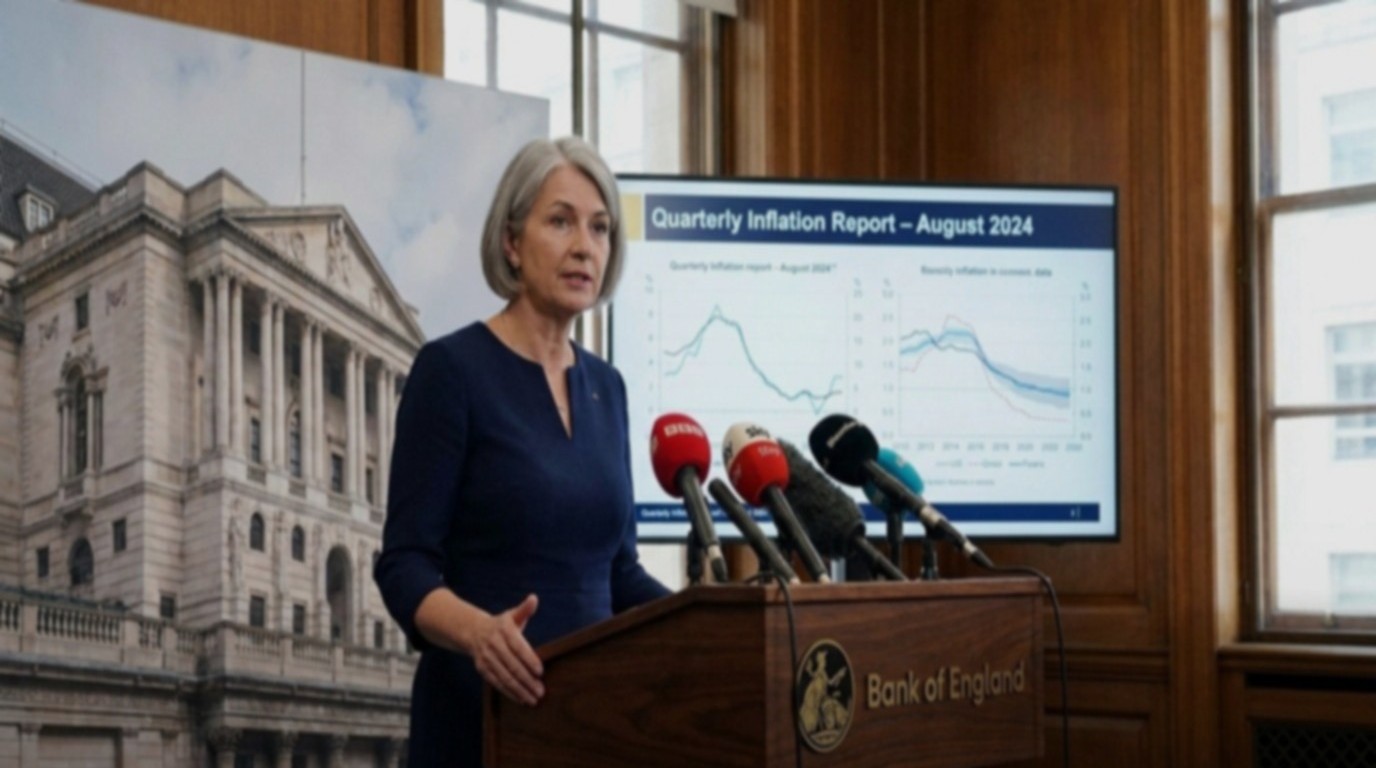
Governor Andrew Bailey told reporters the decision was finely balanced. With services inflation still sticky and wage growth uncomfortably above target, the Monetary Policy Committee voted 6–3 to hold — with three members seeking an immediate cut.
The Bank of England held Bank Rate at 4.75 per cent on Thursday, pausing the most aggressive tightening cycle in a generation and leaving financial markets to digest a notably divided Monetary Policy Committee. The decision, announced alongside the November Monetary Policy Report, keeps the cost of borrowing at its highest level since 2008 and signals that Threadneedle Street is in no hurry to follow the Federal Reserve and the European Central Bank into cuts.
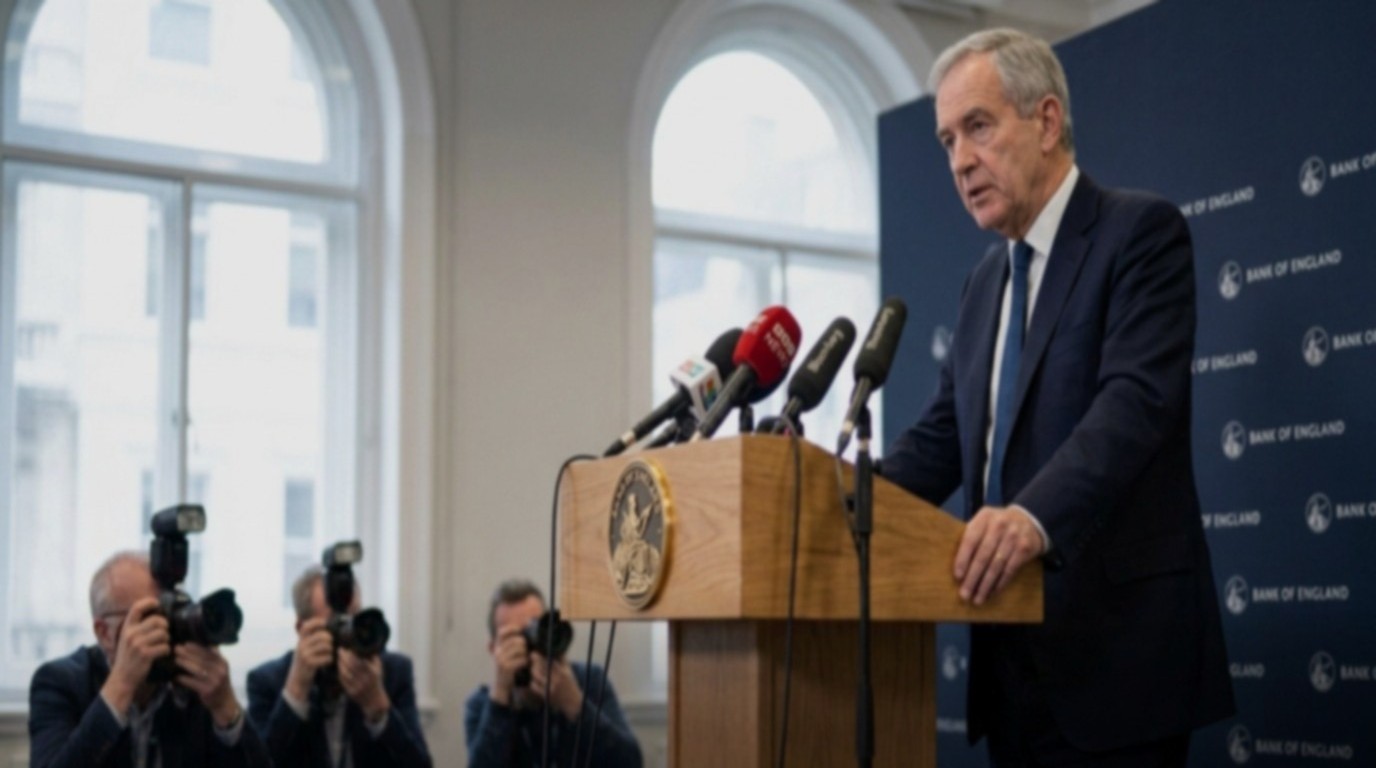
In a measured statement from the lectern of the Bank's external press theatre, Governor Andrew Bailey described the vote as "finely balanced" and refused to commit to a path for the next meeting in December. The MPC's minority of three — Swati Dhingra, Dave Ramsden and, in his first vote of dissent, new external member Megan Greene — argued that the disinflation already in train was sufficient to justify an immediate quarter-point cut.
The numbers behind the pause
Headline CPI fell to 2.6 per cent in October, just above the Bank's 2 per cent target for the first time in three years, but the Committee's attention was drawn instead to services inflation, which remains stuck at 4.5 per cent. Wage growth, measured by the three-month average of regular pay, came in at 4.8 per cent — well above the level the Bank considers consistent with the inflation target.
"The last mile is the hardest," Bailey said, when asked whether the disinflation seen over the past six months could be repeated. "We need to see services inflation come down decisively, and we need to see that reflected in pay settlements. We are not yet at that point."
Markets read between the lines
Sterling slipped 0.3 per cent against the dollar in the minutes after the statement, while two-year gilt yields fell four basis points as traders raised the implied probability of a December cut from 28 per cent to 41 per cent. The FTSE 100 closed up 0.4 per cent, led by rate-sensitive housebuilders and utilities.
What the dissenters said
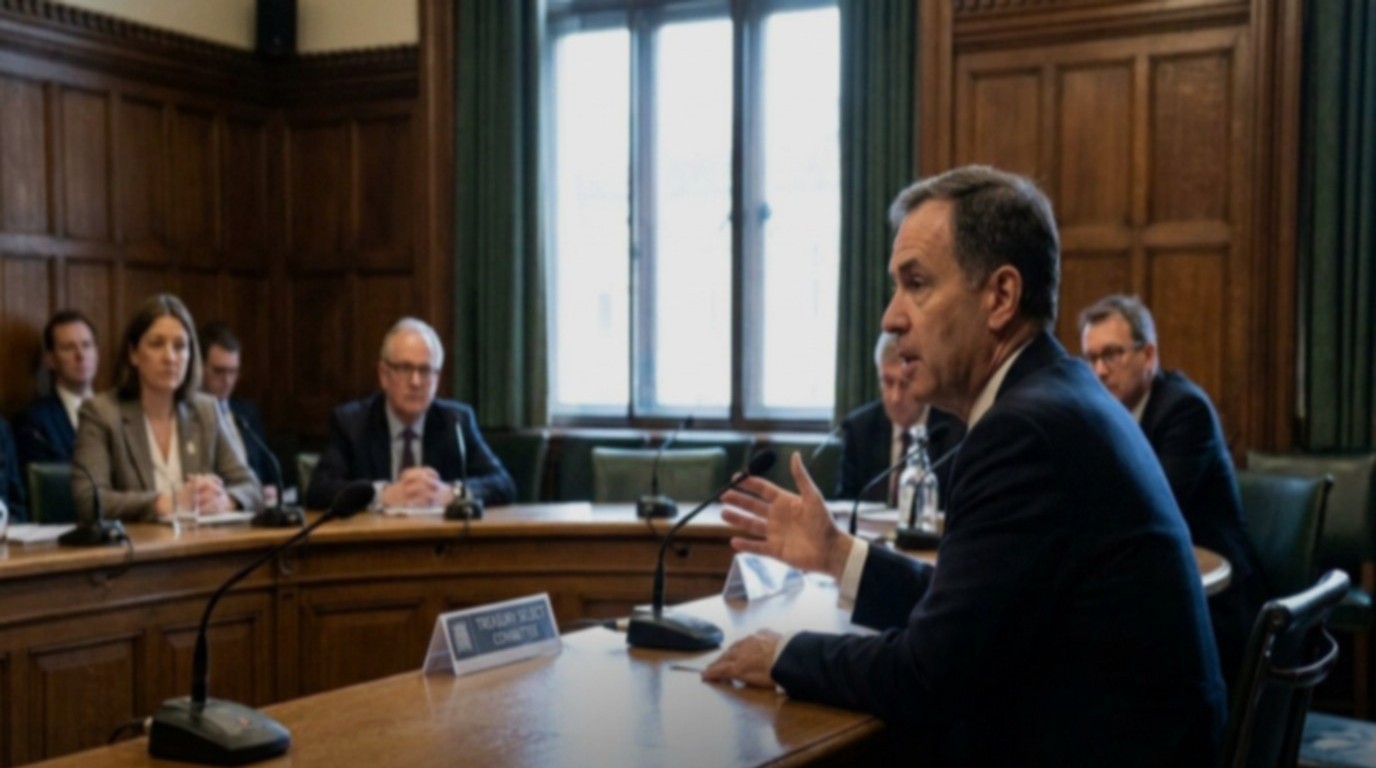
In a notable break with the Committee's recent collegial tone, the three members who voted for a cut attached unusually detailed explanations. Professor Dhingra, the longest-standing external dove, argued that the lags in monetary policy meant the real rate was already restrictive and that further caution risked tipping the economy into an unnecessary slowdown. Dr Ramsden, a longstanding internal member, said the balance of risks had shifted since the August forecast round.
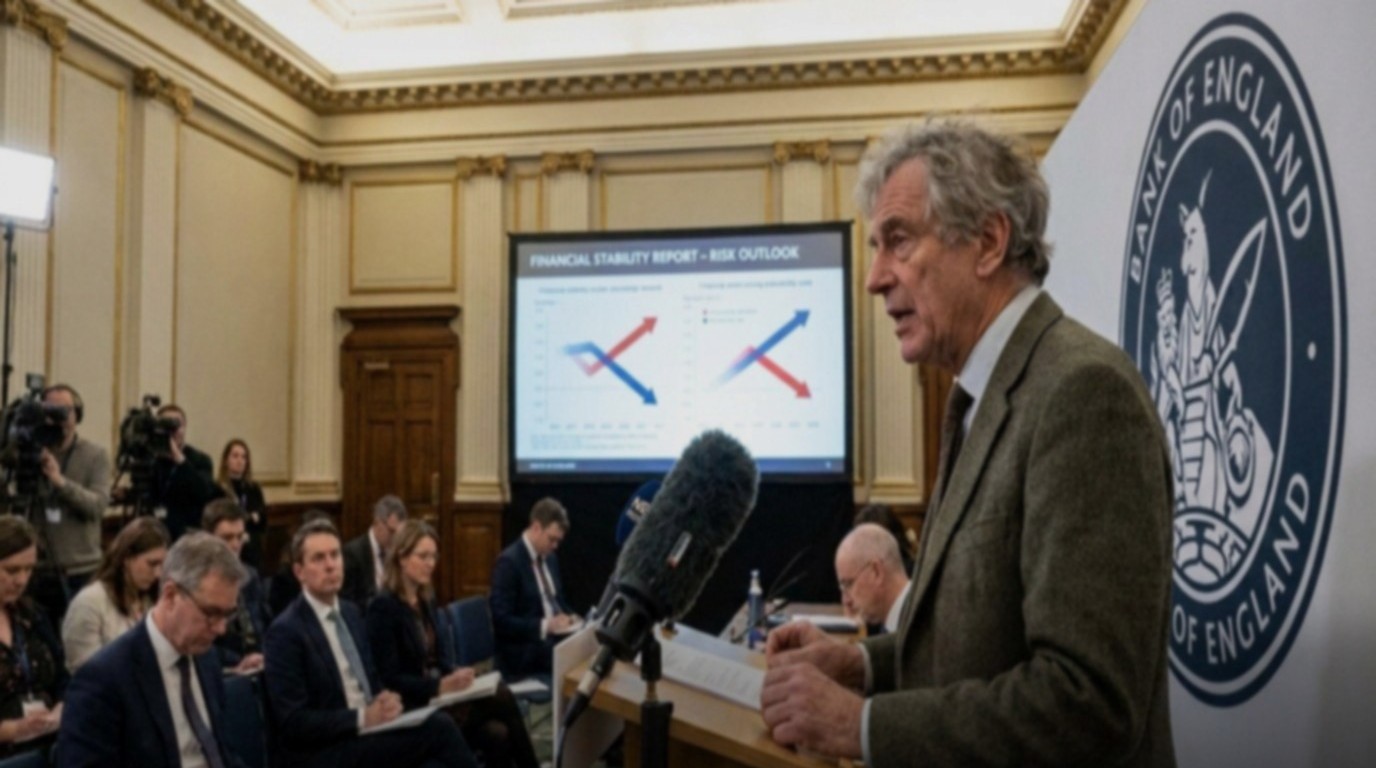
Dr Greene, who joined the Committee in September, was the most pointed. In remarks to reporters after the statement, she said she had been "struck by how quickly the disinflationary impulse is feeding through to goods prices" and that the "marginal evidence" now favoured a cut.
Looking ahead to December
Attention now turns to next month's labour market data and the November inflation print, due the week before the December meeting. Bailey declined to give any forward guidance but suggested that the Committee would need to see "a clear, sustained moderation in domestic price pressures" before it could move.
For the Treasury, the political implications are uncomfortable. With the Chancellor already drawing up a fiscal package built on gilt yields near 4.4 per cent, any premature dovishness from Threadneedle Street would be welcome — but a deeper slowdown triggered by a cut that comes too late would be far more costly. The next six weeks, as one MPC watcher put it, "are the whole game."