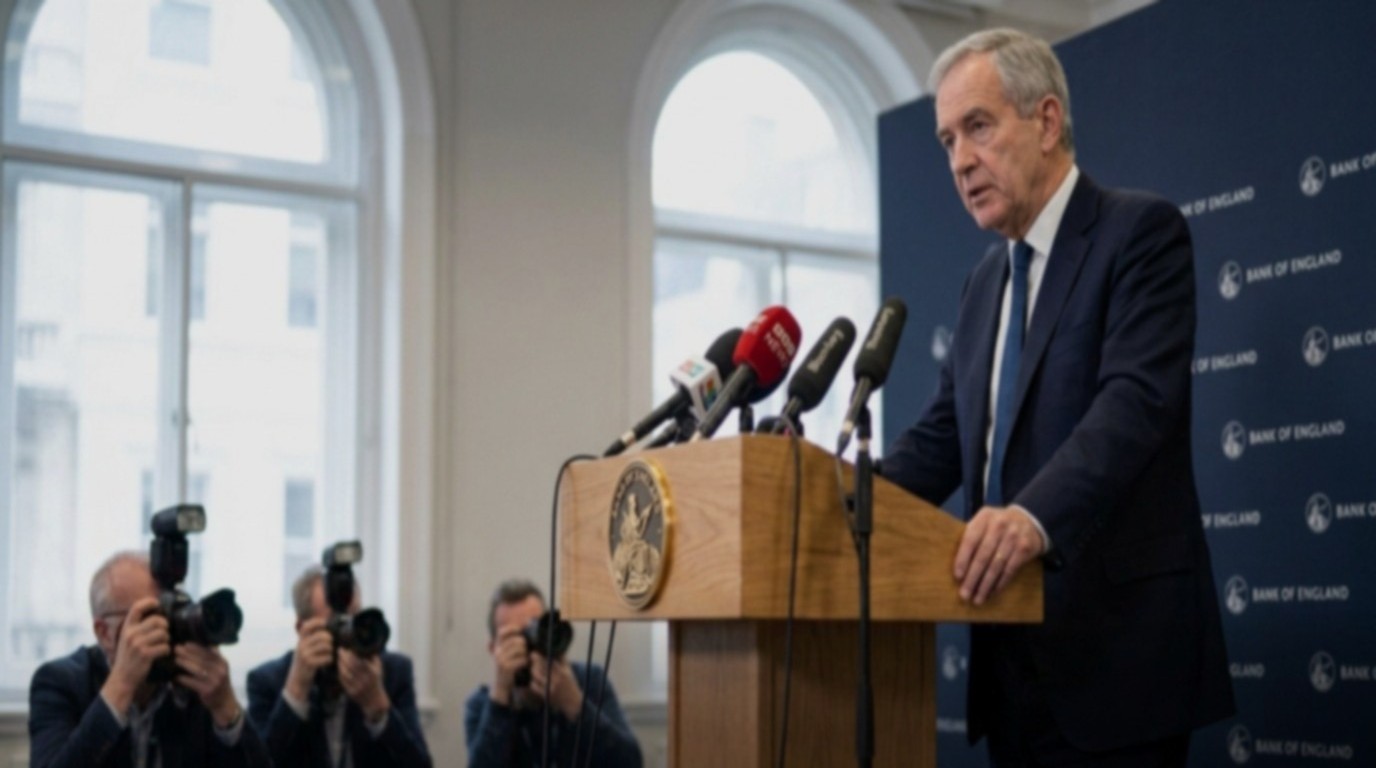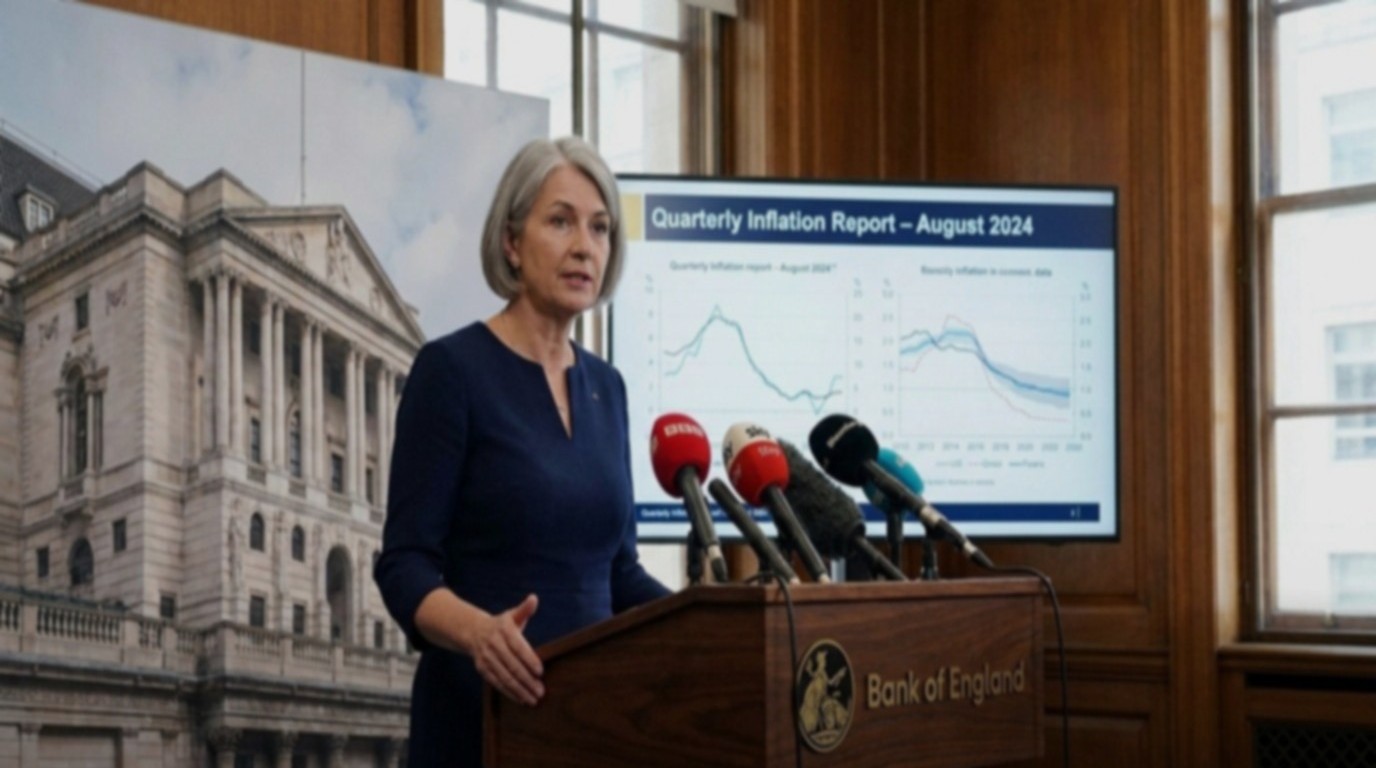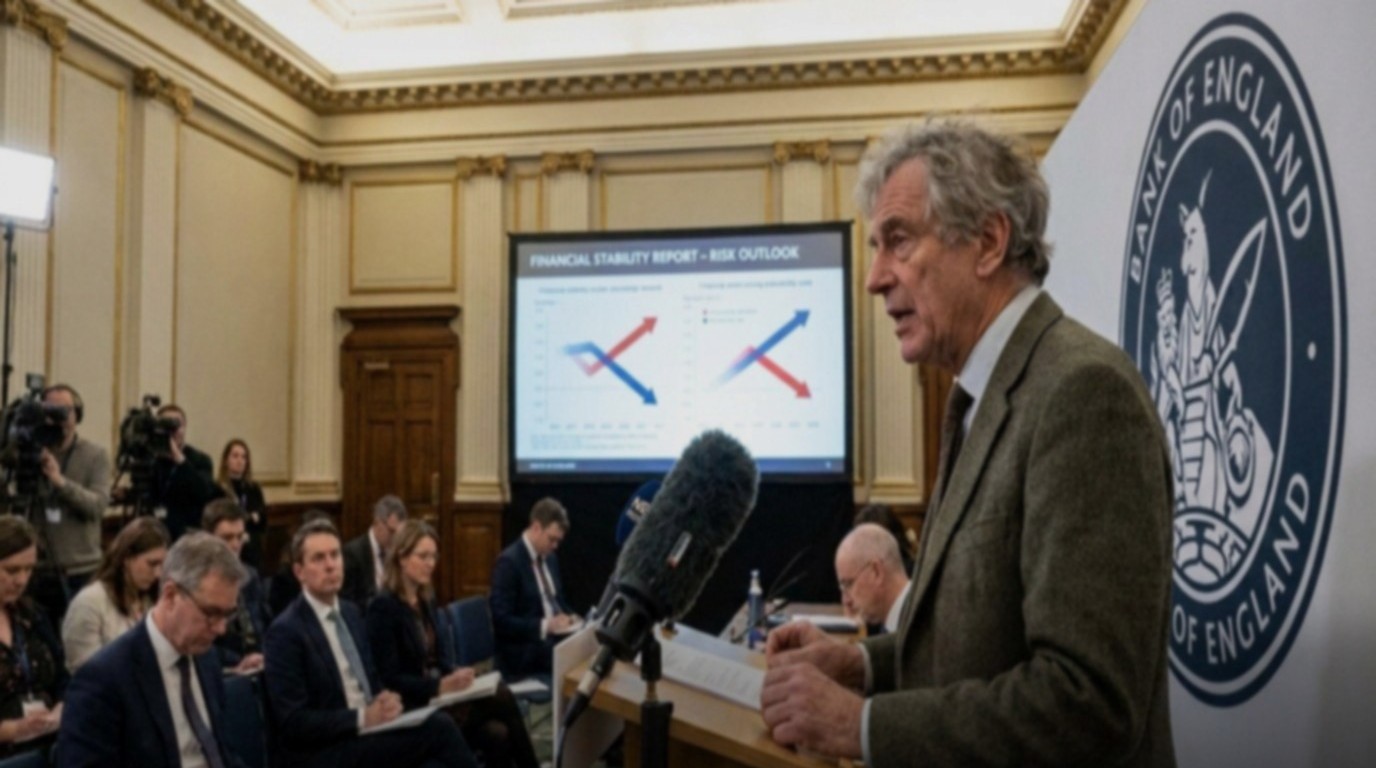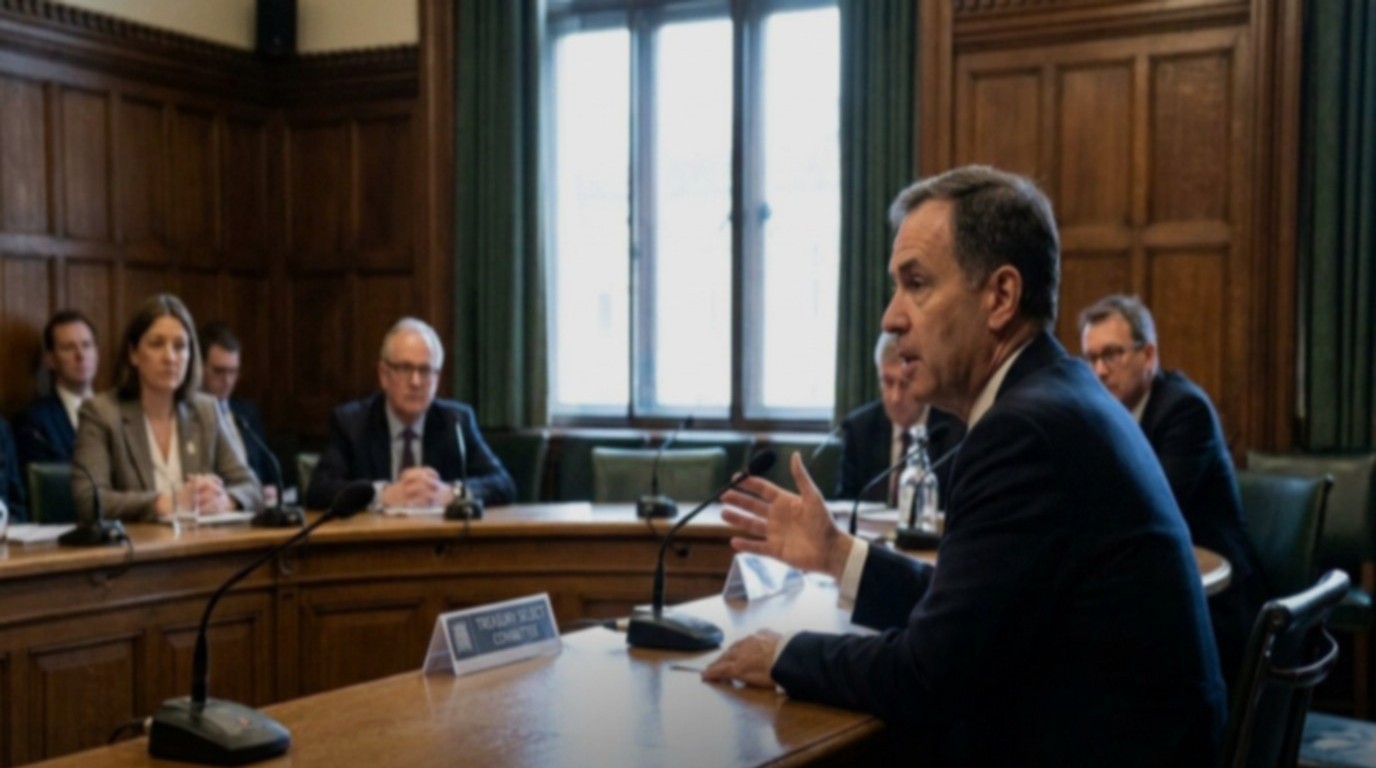
In a sometimes tense two-hour session, the Governor of the Bank of England defended the Monetary Policy Committee's cautious stance, pushed back against claims that policy is now needlessly restrictive, and hinted that the December meeting will be 'live.'
Two hours of questioning by the Treasury Select Committee rarely produce a clean read on the Bank of England's intentions. Thursday's session, however, was unusually revealing. Under patient questioning from the new chair, the Governor, Andrew Bailey, made it clear that the Monetary Policy Committee's decision to hold Bank Rate at 4.75 per cent was a finely balanced one — and that the bar for cutting at the December meeting is "high, but not closed."
The session opened with the customary exchange on the most recent Monetary Policy Report, in which Bailey and the Committee's chief economist, Huw Pill, walked the Committee through the now-familiar decomposition of the inflation print into its goods and services components. The chair, who has made clear that she expects the Committee to explain itself more transparently than her predecessor did, pressed the Governor on the data the Committee had been looking at "in the room." Bailey was careful but did not dissemble. "We look at everything," he said, "and we are not afraid to change our minds."
QT: the issue that won't go away
By far the most pointed exchange came on the Bank's quantitative tightening programme, which the Committee has used to reduce the size of its balance sheet from a peak of £895bn in 2022 to £652bn at the end of October. Several members of the Committee have been pushing, in private, for a more aggressive pace of sales, on the grounds that the Bank's continued holdings of long-dated gilts distort the long end of the curve and crowd out private investment.
Bailey, who was visibly more comfortable discussing this than he was the rate decision, said the Bank would publish a review of the QT programme "in the new year" and that he expected the pace of sales to "gradually increase" over the forecast period. He declined to give a target for the end-state of the balance sheet but said the Bank's "working assumption" was that the Asset Purchase Facility would eventually be wound down entirely.
On the Autumn Budget
On the Chancellor's forthcoming Autumn Budget, Bailey was at pains to observe the constitutional boundary that separates the Bank from fiscal policy. But he did not quite succeed in keeping the question at arm's length. Asked whether a £40bn tax-raising package would affect the MPC's decisions, he said only that the Committee would "take the Budget into account" in its December forecast round and that he had "no concerns" about the Chancellor's plans for fiscal sustainability.
That last comment was notable for its strength. The Governor's previous appearances before the Committee have been notably more circumspect on the fiscal stance, and his readiness to comment so directly will be read, in the Treasury at least, as a quiet vote of confidence in the Chancellor's package.
What the Committee said afterwards
In a brief statement issued shortly after the Governor's appearance ended, the Committee's chair said that the session had been "a useful and informative exchange" and that the Committee looked forward to receiving the Bank's review of the QT programme. Behind the diplomatic language, however, several members were clear that they expect the Bank to do more on sales, and sooner than the Governor suggested.
Whether the December meeting is "live" — that is, whether the Committee will seriously consider a cut — will be known only to the nine people in the room on the afternoon of 18 December. But the Governor's careful choice of words, and the explicit reference to changing his mind, suggests that it is. The market took the message: by close, two-year gilt yields had fallen six basis points and the implied probability of a December cut had risen from 18 per cent to 32 per cent.