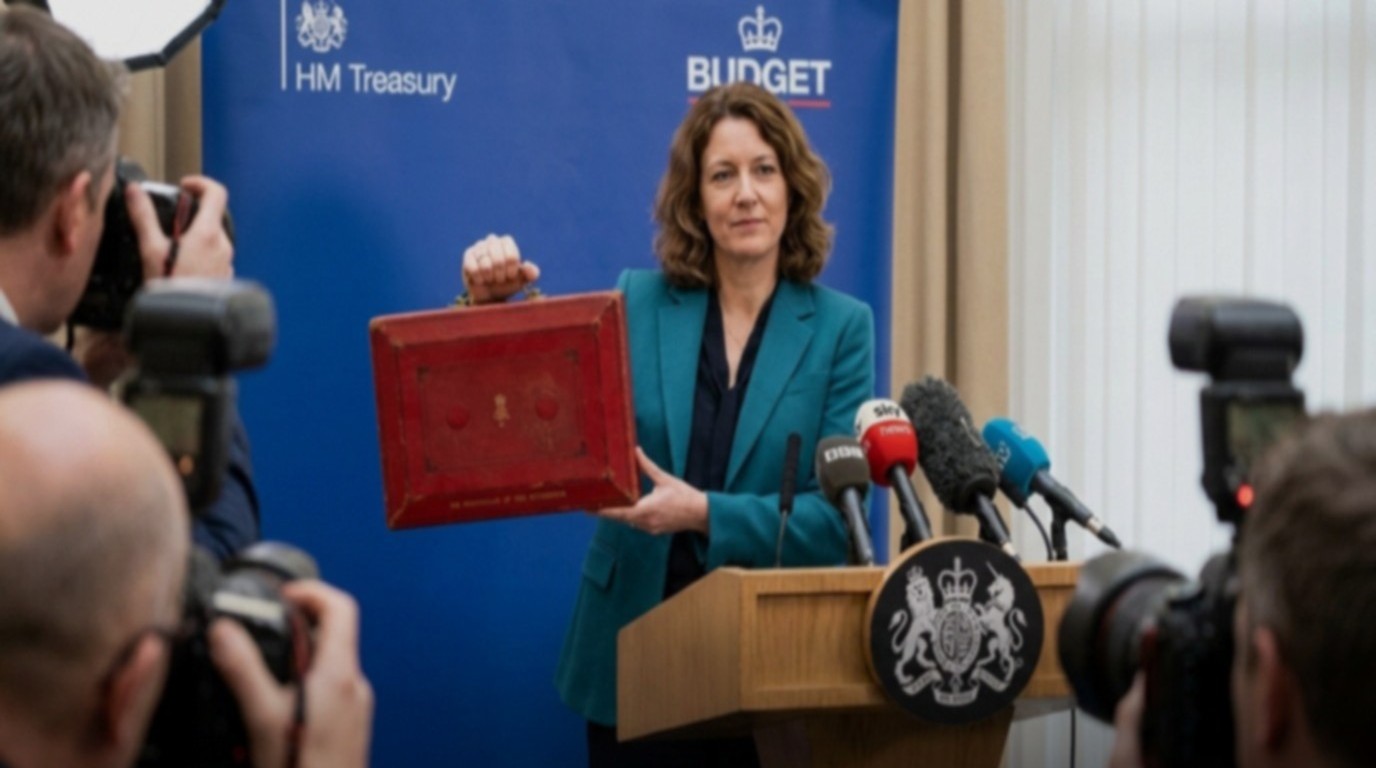
The Chancellor delivered the first Labour Budget in fourteen years with a package she billed as 'a £40bn choice with one purpose: to put the public finances on a sustainable footing.' It was a fiscal event built on three pillars — employers' National Insurance, capital gains reform and a new high-value property levy.
Rachel Reeves rose at the despatch box shortly after 12.30pm to deliver the first Budget of this Parliament and, by some distance, the largest tax-raising package of any Budget since 1993. After more than an hour of closely-scripted prose, the Chancellor had set out measures worth £40 billion of additional revenue by 2029–30, with the burden falling — as the Office for Budget Responsibility had pre-leaked on Tuesday — squarely on employers and on the holders of capital assets.
The headline measure is a 1.7 percentage point increase in the main rate of employers' National Insurance, taking it from 13.8 per cent to 15.5 per cent from April 2026, alongside a sharp cut in the per-employee threshold at which contributions begin. Together, these are expected to raise £24bn a year by the end of the forecast period, and will almost certainly pass through into slower wage growth, according to the OBR.
The three pillars
Second, capital gains tax has been brought more closely into line with income tax, with the lower rate rising from 10 per cent to 18 per cent and the higher rate from 20 per cent to 24 per cent. Business asset disposal relief, the so-called "entrepreneurs' relief", has been tightened and the lifetime limit reduced to £1m. These measures are expected to raise £8.5bn by 2029–30.
Third, a new high-value property levy will apply to residential property held in corporate envelopes, closing a long-flagged loophole. A mansion tax, widely trailed in the press, was conspicuously absent from the package.
OBR verdict
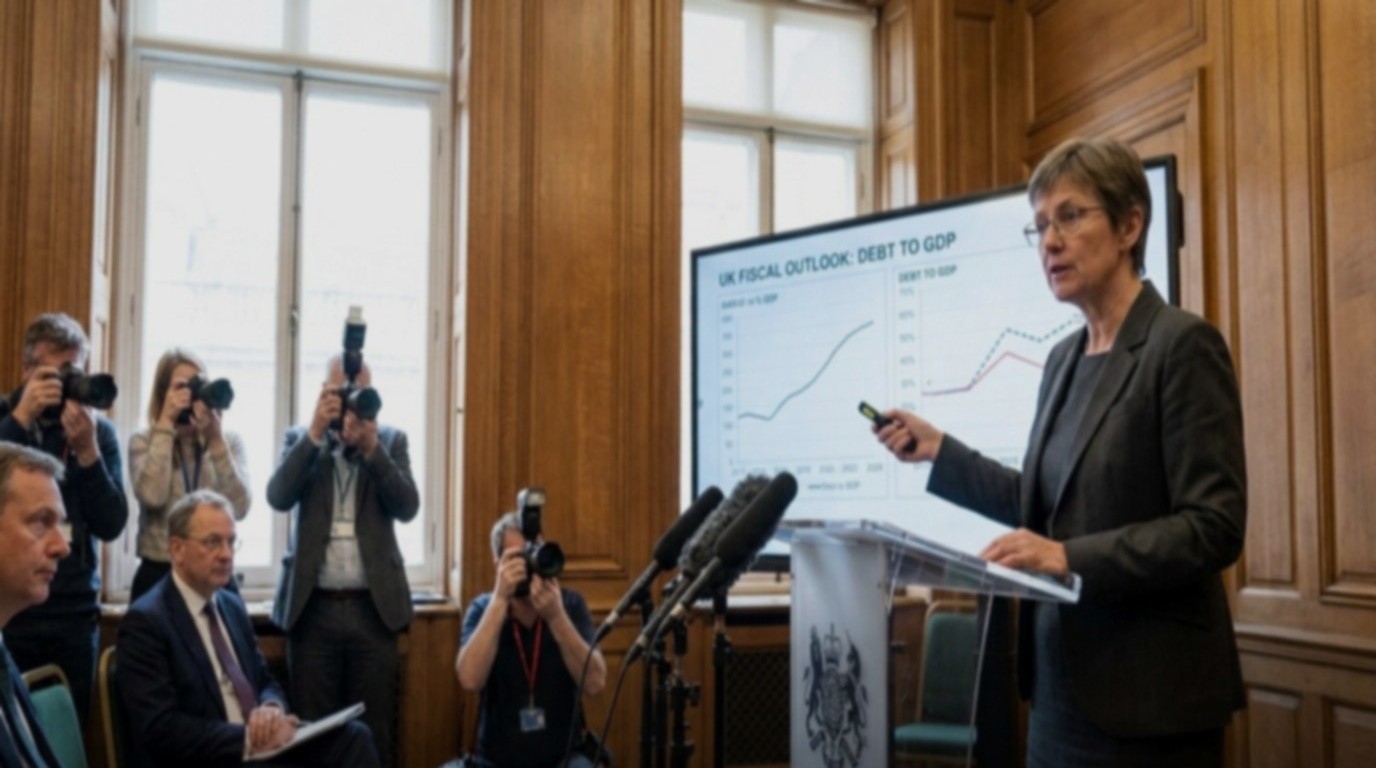
Speaking at the customary post-Budget press conference in the Treasury's White Room, the OBR's three-member committee — chair Richard Hughes, Prof. David Miles and Sir Charlie Bean — confirmed that the fiscal headroom the Chancellor had asked the OBR to certify was £9.9bn in 2029–30, down from £14.6bn at the spring statement but in line with the OBR's draft forecast circulated on Tuesday evening.
The OBR upgraded its growth forecast for 2025 to 1.1 per cent (from 0.8 per cent in March) and to 1.4 per cent for 2026 (from 1.0 per cent), reflecting stronger-than-expected consumer spending and a more favourable external environment. However, the OBR warned that the tax measures would reduce employment by 50,000 on average across the forecast period and that productivity growth remained "disappointingly weak".
Spending
On the spending side, the Chancellor confirmed an additional £22bn for the NHS over the next two years, a £6.4bn real-terms increase in defence spending from 2027, and a £1.4bn package for the devolved administrations. Day-to-day departmental spending will grow at 1.5 per cent a year in real terms, in line with the spending review settlement.
Capital spending, after several years of squeeze, was given a more visible boost. The Chancellor announced a new National Wealth Fund, capitalised at £7.3bn over the parliament, with a remit to crowd in private investment into green industries, life sciences and advanced manufacturing. She also confirmed the long-trailed Great British Energy vehicle, with £3.3bn of seed capital.
Market reaction
Sterling fell 0.4 per cent against the dollar to 1.296 in late afternoon trading, while the FTSE 100 closed up 0.6 per cent, led by housebuilders. Ten-year gilt yields rose five basis points to 4.46 per cent. The CBI called the package "credible, if sobering", while the Federation of Small Businesses warned that the NIC increase "will hit the high street harder than any measure in a generation."
Whether the Budget ultimately proves growth-friendly or growth-detracting will, as so often, depend on the path of gilt yields and the response of the Monetary Policy Committee in the months ahead. The Chancellor, asked at the press conference whether she had spoken to the Governor, would say only that "the Bank of England is operationally independent and I respect that."