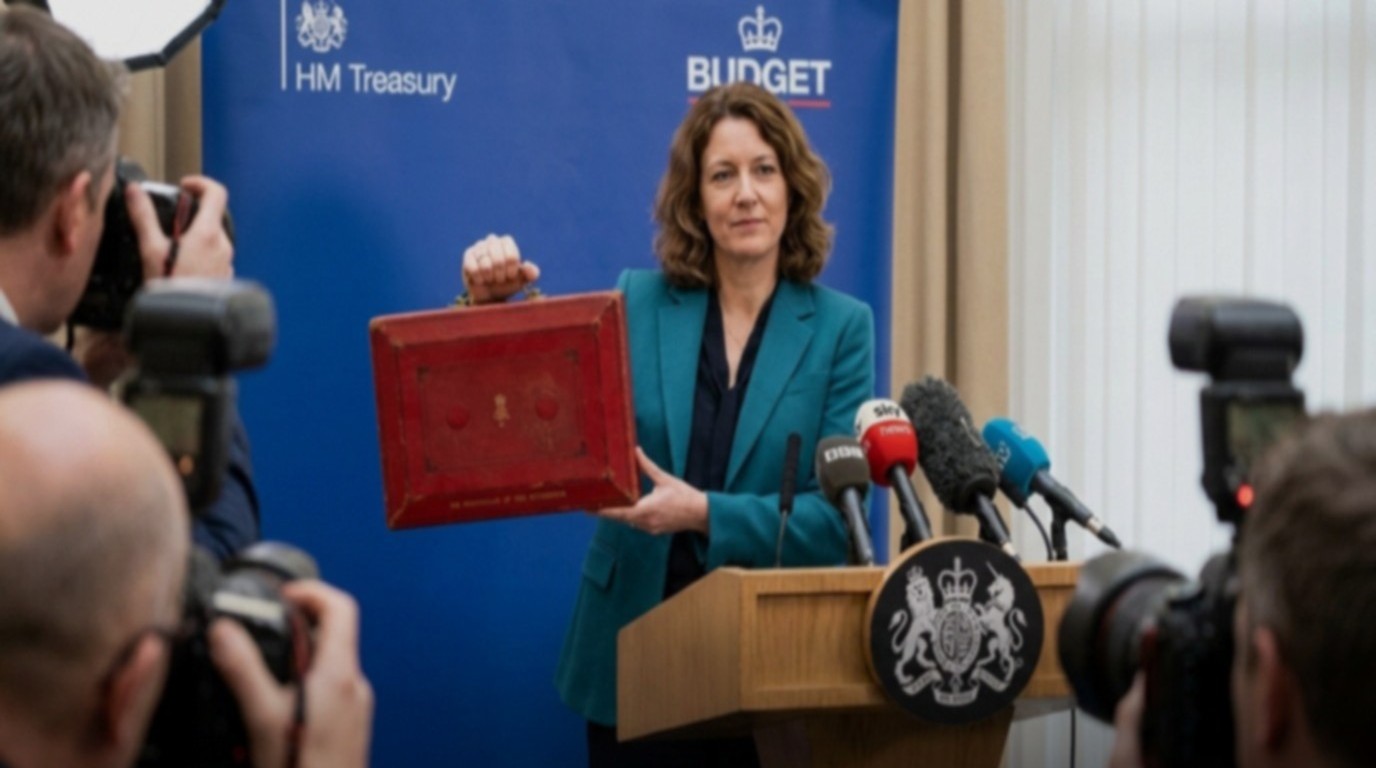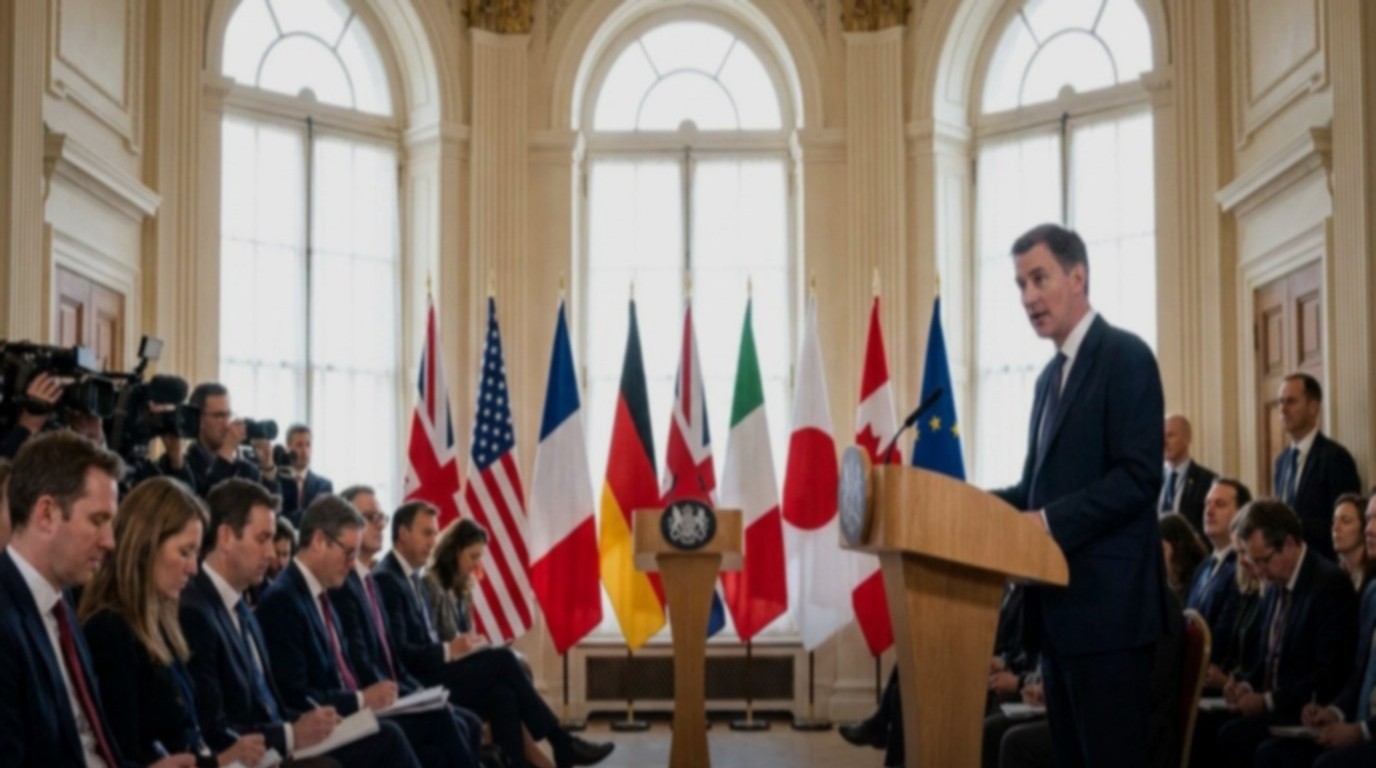
At her first G7 finance ministers meeting, the Chancellor tabled two pieces of unfinished business from the British international agenda — a coordinated framework on stablecoins and a 'reparations loan' mechanism backed by immobilised Russian sovereign assets.
The first G7 finance ministers meeting of the new political cycle took place in Frankfurt on Friday, hosted by the German presidency. The Chancellor, who attended alongside the Governor of the Bank of England and the chair of the FCA, used the meeting to push for progress on two pieces of unfinished business from the British international agenda: a coordinated framework on stablecoins, and a 'reparations loan' mechanism backed by immobilised Russian sovereign assets.
On the first, the Chancellor's argument was straightforward: a UK regime is in force, the EU's MiCA framework is largely in place, the US is moving towards a federal payments-stables regime, and Japan has its own. The risk is that, absent coordination, the major markets will end up with subtly different definitions, capital and disclosure requirements — and that the cross-border activities of stablecoin issuers will fall between the cracks. The Chancellor asked the G7 to mandate a working group, reporting to the Italian presidency next year, on a common minimum standard.
The reparations loan
The second item, the reparations loan, is more politically sensitive. Under the UK's proposal, the G7 would collectively underwrite a long-dated loan to Ukraine, with the principal sourced from the approximately $300 billion of Russian sovereign assets immobilised in the Euroclear clearing system and elsewhere. The loan would not require confiscation of the underlying assets; it would be a senior, secured claim on them, with the G7 collectively taking the credit risk in the event that the assets are not eventually released. The cash flow from the loan would then be used to support Ukraine's reconstruction.
The proposal builds on a US initiative floated in the spring and on work the UK Treasury has been doing bilaterally with France and Canada. The Chancellor used the G7 to broaden the conversation, and was, by all accounts, successful in securing agreement to take the proposal to the leaders' summit in June. The detail, of course, will be hammered out over the coming months.
Other items on the agenda
Other items on the agenda included a progress report on the G20 Common Framework for debt restructuring, a discussion of the macroeconomic outlook (which the G7 communique described as "resilient but uneven"), and a stocktake of the OECD's two-pillar global minimum tax agreement. On the latter, the Chancellor said the UK "remains fully committed" to the agreement and would not be using the Budget to depart from it.
The German hosts' priorities
Germany, as presidency, set its own priorities: competitiveness, sustainability finance and the modernisation of the international financial architecture. The Chancellor used her interventions to align the UK closely with each of these strands, in a clear signal that London sees the German presidency as a moment of opportunity to rebuild relationships in continental Europe after several rocky years.
Whether the warmth of the meeting translates into tangible outcomes will be tested in the months ahead. The stablecoin working group is a relatively low-stakes deliverable. The reparations loan is, by contrast, an extraordinarily ambitious project, and one that the United States will need to be on board with if it is to work. A US election now less than 12 months away makes that a non-trivial assumption.